Repair of Roofing: Expert Guide to Fixes
Guide on repair of roofing, signs, methods, costs, and choosing pros for durable roof fixes.
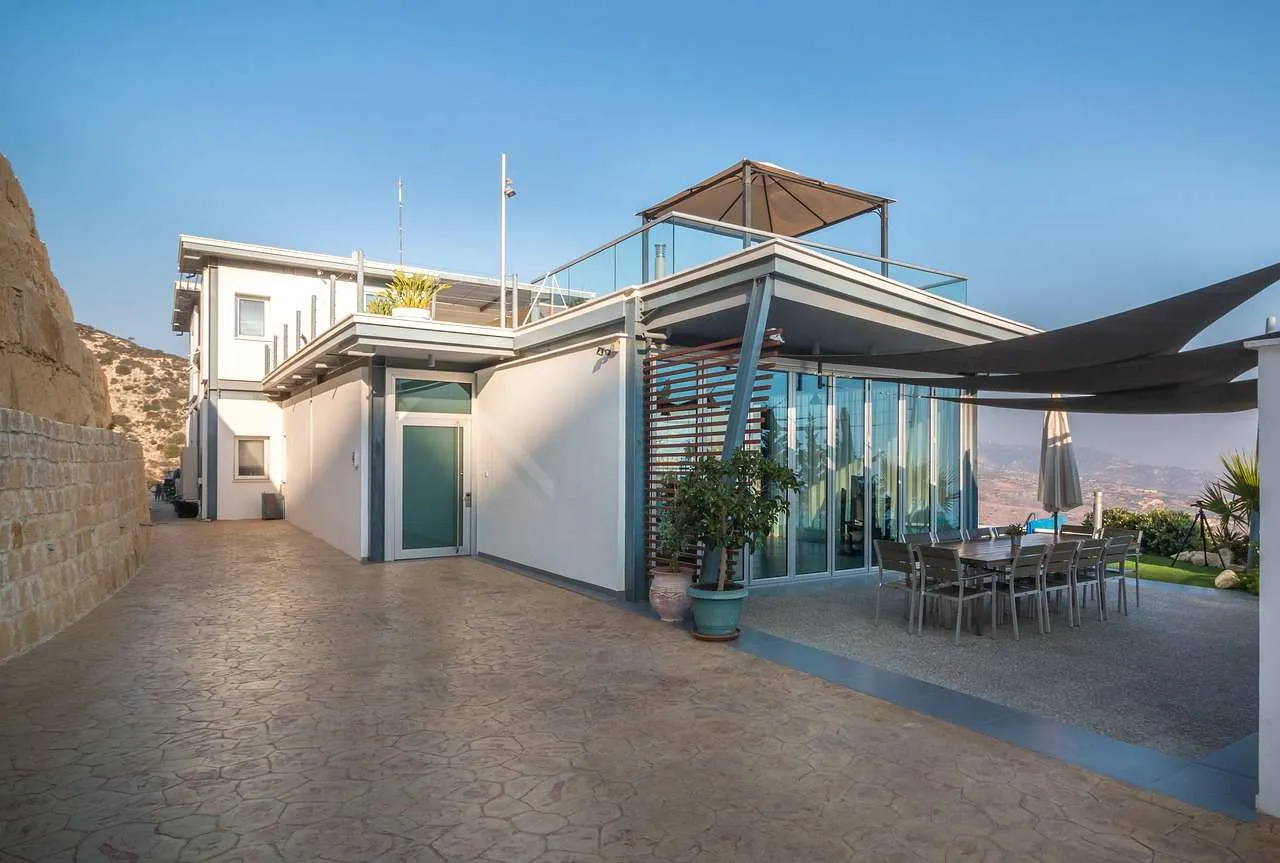
Repair of roofing is a central part of home maintenance. Whether you confront a minor leak after a storm or suspect aging flashing, timely action protects interiors and preserves property value. This guide blends practical, field-tested advice with the expertise you expect from seasoned professionals, emphasizing safety, code compliance, and long-term durability.
Understanding when repair is appropriate
Most roof repairs are warranted when the damage is localized and does not threaten structural integrity. If a single area leaks after heavy rain, or flashing around a chimney or vent shows wear, a targeted repair can extend the roof’s life. However, widespread damage, persistent leaks across multiple sections, or signs of sagging require a broader assessment that may lead to replacement rather than patching.
Experience and expertise matter. A licensed roofer will assess underlying causes—ventilation issues, improper installation, or leaf buildup—that cycles moisture into the attic. Addressing root causes reduces repeat repairs and preserves insulation efficiency.
Signs your roof needs repair
- Missing, curling, or cracked shingles
- Granule loss in gutters or on the ground
- Water stains on ceilings or attic walls
- Daylight visible through the roof boards from the attic
- Damaged flashing around chimneys, vents, or hips
DIY vs. professional repair
Small, surface-level fixes around the exterior can sometimes be undertaken by a confident homeowner, but most repairs benefit from professional oversight. Safety is a top priority; roofs are slippery, heights are hazardous, and improper repairs can void warranties or cause further damage.
minor sealant use for temporary fixes, clearing debris, or replacing loose shingles on a shallow slope with proper fall protection. accurate diagnosis, correct flashing and underlayment installation, proper nail placement, and warranty-backed repairs performed to local codes.
Repair methods and materials
Repair methods depend on roof type, age, and damage. Common options include:
- Sealant and patching for small leaks in flat areas or around flashings
- Flashing replacement or resealing for chimneys, vents, and transitions
- Shingle replacement in localized areas for asphalt roofs
- Repair or replacement of damaged underlayment or decking when moisture exposure is significant
Material selection matters for durability. Asphalt shingles are common and cost-effective, while metal, tile, or flat-roof membranes require different approaches and expertise. A reputable roofer will match materials to the existing roof for a seamless finish and warranty continuity.
Safety, codes, and warranties
Professional roof repairs adhere to safety standards and local building codes. They include proper fall protection, ladder setup, and disposal of damaged materials. Warranties vary by material and workmanship; always obtain a written warranty detailing coverage duration and what it includes. Regular maintenance, inspections, and timely repairs help preserve warranty terms.
Costs and timelines
Repair costs depend on material, extent of damage, and access constraints. Minor leaks may cost hundreds of dollars, while substantial flashing or decking work can run into the low thousands. Timelines hinge on weather, material availability, and contractor scheduling. A transparent estimate should itemize labor, materials, permits (if required), and cleanup.
Hiring the right roofing contractor
Choose a contractor with local licensing, insurance, and solid references. Request multiple bids, review prior work, and verify warranties. Ask about project supervision, crew credentials, and cleanup procedures. Clear communication about scope, expected outcomes, and payment terms reduces risk and builds trust, fulfilling EEAT principles: Expertise, Experience, Authority, and Trustworthiness.
Maintenance and prevention tips
Preventive steps lower the chance of recurring problems. Clean gutters regularly, trim overhanging branches, ensure proper attic ventilation, replace damaged flashing promptly, and schedule seasonal inspections. A well-maintained roof extends its life, stabilizes energy costs, and protects interior living spaces.
Comparison and planning: DIY vs professional repair
| Aspect | DIY | Professional Repair |
|---|---|---|
| Typical scope | Small leaks, sealants, or debris removal | Complex leaks, flashing, underlayment, decking, or structural concerns |
| Cost range | $100–$500 (materials only, plus tools) | $300–$5,000+ (labor, materials, warranties) |
| Risk | Moderate if precautions followed; high if improperly done | Low risk for proper repair; protects warranty and safety |
| Quality and durability | Varies;Depends on skill and materials | Consistent; professionally installed flashing and underlayment |
Conclusion and next steps
Repair of roofing is a nuanced task that benefits from timely assessment, careful method choice, and reliable workmanship. For minor issues, careful DIY with proper safety can be appropriate, but persistent leaks, extensive damage, or aging components should be handled by a licensed professional to ensure durability, code compliance, and lasting protection for your home. Regular maintenance reduces future repairs and sustains roof performance over time.
Final summary
Conclusion, timely evaluation, selecting the right repair approach, and partnering with qualified professionals are essential to a durable roof. By understanding signs, safety considerations, and cost implications, homeowners can achieve effective repairs while safeguarding property value and comfort. Summary: act promptly on leaks, prefer professional diagnosis for complex issues, and maintain your roof to extend its life and protect your investment.